
Popular Tree Removal Equipment for Safe and Effective Results
Discover essential tools and gear that ensure safe, precise, and efficient tree removal for various project sizes and complexities.
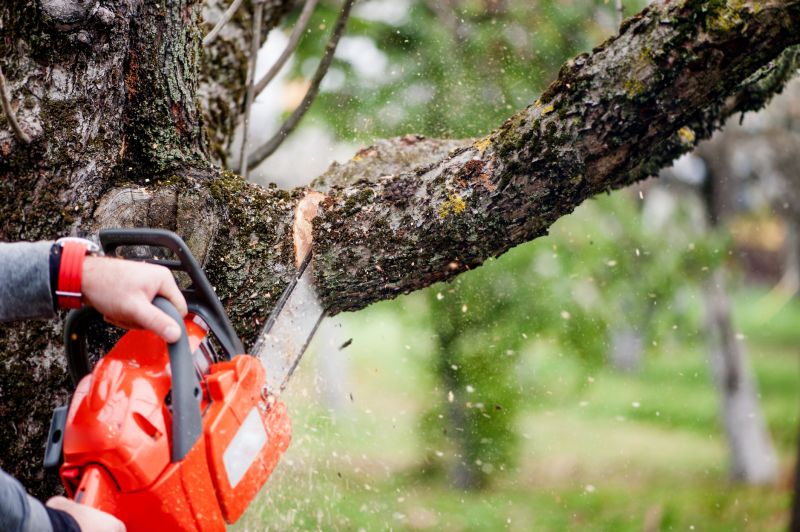 Tree removal is a task that often requires specialized equipment to ensure safety and efficiency. Whether dealing with hazardous branches, fallen trees, or clearing space for new planting, selecting the right tools is essential. Proper equipment not only facilitates the job but also minimizes potential risks associated with cutting and handling large tree sections. From manual tools to powered machinery, there are various options tailored to different scales of removal projects.
Top Overall Option
Heavy-Duty Chainsaw
A versatile and powerful tool, a heavy-duty chainsaw is often considered essential for tree removal tasks. It offers the ability to cut through large branches and trunks with relative ease, making it suitable for both professional arborists and serious DIY enthusiasts. Features such as adjustable chain tension, ergonomic handles, and safety mechanisms enhance usability and safety during operation.
Types of Products For Tree Removals
Manual Hand Pruners
Ideal for trimming smaller branches and precise cuts, manual hand pruners are a basic tool for detailed work in tree maintenance.
Pole Pruners
Extend your reach with pole pruners, perfect for trimming higher branches without the need for ladders.
Chainsaws
Powerful and efficient, chainsaws are commonly used for cutting through larger trunks and branches during removal projects.
Reciprocating Saws
Useful for cutting through thick wood and branches in tight spaces, reciprocating saws provide versatility in tree removal tasks.
Loppers
Long-handled loppers are suitable for cutting medium-sized branches with leverage and control.
Tree Climbing Gear
Safety harnesses, climbing ropes, and spikes are essential for professionals working on large or hazardous trees.
Stump Grinders
Designed to grind down remaining tree stumps after removal, helping to clear the area completely.
Aerial Lifts
Elevating platforms or bucket trucks allow safe access to high branches and large trees.
Rope and Pulley Systems
Assist in controlled tree felling and branch removal, especially in delicate or confined spaces.
Safety Helmets and Gear
Protective equipment essential for ensuring safety during tree removal operations.
Debris Chippers
Chippers convert branches and small logs into mulch, helping manage waste efficiently.
Log Splitters
Useful for processing wood after cutting, making it easier to handle or dispose of.
Winches
Assist in pulling or lowering heavy branches and trunks safely.
Tree Removal Kits
Comprehensive sets that include multiple tools tailored for various aspects of tree removal.
Popular Choices
Offering portability and ease of use, cordless chainsaws are trending for their convenience in various removal tasks.
Popular for reaching high branches safely without ladders, these tools combine reach with control.
Trusted for safety and reliability in climbing and lowering branches or trunks.
Compact and easy to handle, electric pole saws are favored for smaller to medium-sized tree trimming.
Known for their power and endurance, gas chainsaws remain a popular choice for larger projects.
Help control the direction of falling trees and prevent damage during removal.
Attach to existing equipment to facilitate efficient stump grinding.
Essential for professional tree climbers, providing safety when working at heights.
Lightweight and portable, useful for quick cuts and pruning in the field.
Complete kits that include a variety of manual and powered tools for comprehensive removal tasks.
Convenient for collecting and transporting branches and leaves during cleanup.
Popular for processing large logs efficiently after cutting.
Provide secure footing and support for arborists working on tall trees.
Designed for controlled cutting and lowering of large trunks.
Ideal for on-site processing of branches and small logs into mulch.
When considering tree removal products, safety features should be a priority. Equipment with ergonomic designs can reduce fatigue during extended use, while safety gear such as gloves, helmets, and eye protection complements the tools for comprehensive safety. It's also important to evaluate the size and type of trees to be removed, as this influences the choice of equipment—larger and tougher trees often require more robust tools.
Maintenance and ease of use are additional factors to consider. Durable tools that require minimal upkeep can save time and money in the long run. For homeowners and professionals alike, understanding the capabilities and limitations of each product type helps ensure that the selected equipment aligns with the scope of the project. Proper training and adherence to safety guidelines are crucial regardless of the tools used.
In Athens, AL, having reliable tree removal products can make a significant difference in completing projects safely and efficiently. Whether managing storm damage, pruning for health, or clearing space, the right equipment supports a smooth process. Exploring a variety of options allows users to find solutions that fit their specific needs, budgets, and skill levels, ultimately making tree removal a safer and more manageable task.
Key Buying Considerations
- Assess the size and type of trees you plan to remove to determine the appropriate equipment capacity.
- Prioritize safety features such as safety guards, automatic shut-offs, and ergonomic designs.
- Consider whether manual, electric, or gas-powered tools best suit your project scope and frequency of use.
- Evaluate the reach capabilities of tools like pole pruners and lifts to ensure they meet your height requirements.
- Check the durability and build quality of tools to withstand frequent use and tough conditions.
- Think about ease of maintenance and availability of replacement parts for long-term usability.
- Determine if additional safety gear such as helmets, gloves, and harnesses is necessary for your tasks.
- Review user feedback and ratings to gauge the reliability and performance of specific products.
- Consider storage solutions for your tools to keep them organized and protected.
- Set a budget that aligns with the scale of your projects while balancing quality and cost.
- Assess the availability of accessories or attachments that can expand the functionality of your equipment.
- Ensure compliance with local safety regulations and standards for tree removal equipment.
- Evaluate the weight and portability of tools if frequent transportation or maneuvering is required.
- Determine if professional-grade equipment is necessary or if consumer-grade tools are sufficient for your needs.
- Research warranties or customer support services offered by manufacturers for peace of mind.
This content contains affiliate links. We may earn a commission if you make a purchase through these links, at no additional cost to you.